MPA-CGDC Delegation Gains Insights into Chinese Governance Model During Xi'an Field Study
The Master of Public Administration in Chinese Governance for Developing Countries (MPA-CGDC) is a one-year, fully English-taught master's program sponsored by the Ministry of Commerce of the PRC and hosted by Sun Yat-sen University. Designed for participants from developing countries, the program aims to share China's governance experience and cultivate high-level professionals in the field of public administration. The program is run by the School of Government at Sun Yat-sen University.
To bridge public management theory with the dynamic realities of governance in China, the academic leads from School of Government—DING Hui, ZHU Lin, XU Shuqin, and LIU Zejin organized an immersive four-day field trip to Xi'an city, Shaanxi province, from November 20 to 23, 2025 for the 2025 MPA-CGDC program's students.
Community Governance in Practice
The delegation visited the Fenghuangcheng Community in Weiyang District, Xi'an. The community has built an embedded service system covering elderly care, child care, meal assistance, housekeeping, health, culture, sports, and more. This has created a distinctive governance model where comprehensive services are delivered within a compact community setting. During the visit, the community's senior choir rehearsing in the activity room provided the delegation with a direct demonstration of the effectiveness of the elderly care services.
 The delegation visited Fenghuangcheng Community
In addition, the community canteen is open to all at affordable prices and offers tiered discounts for the elderly. The infant and toddler care center, operated through a partnership model, provides care services for children aged 1.5 to 6 years. Under the model of "government guidance, market participation, and community collaboration," Fenghuangcheng Community has effectively integrated social resources, embedding services precisely into the daily lives of residents. The delegation observed how this approach reflects both innovative governance and a humanistic warmth characteristic of the new era.
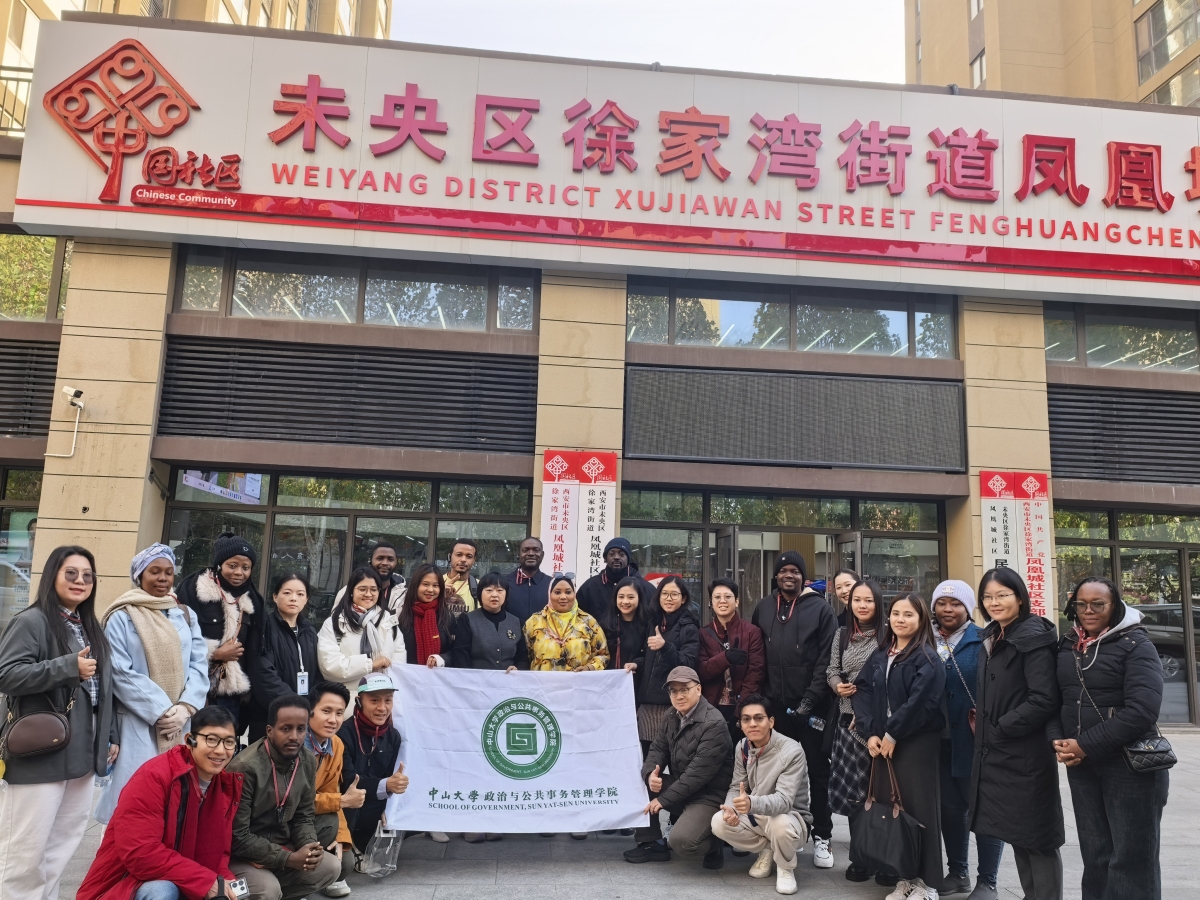 The delegation took a group photo with the staff of Fenghuangcheng Community
Innovation in Healthcare Services
Afterwards, the delegation visited Xi'an No. 3 Hospital. Professor YANG Junle, the hospital director, delivered a welcome address and introduced the delegation to the hospital's developments.

The delegation took a group photo with the staff of Xi 'an Third Hospital
The delegation visited the Smart Pharmacy. The automated drug dispensing system operated efficiently within the pharmacy. By integrating information technology with mechanization, it has achieved intelligent management of the entire process—from storage and dispensing to distribution of medications. This has not only enhanced the efficiency and accuracy of drug dispensing but also optimized the patient experience, fully demonstrating the significant role of modern technology in enhancing the quality of medical services.
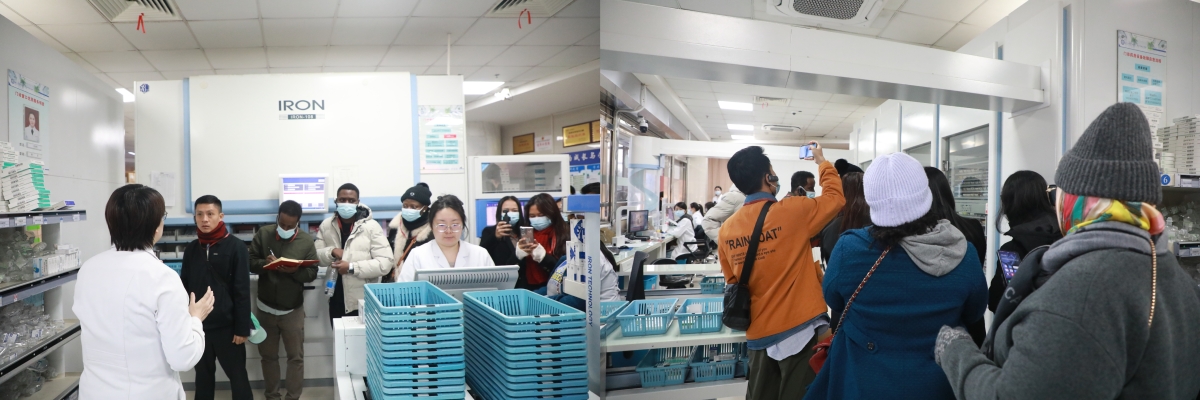
The delegation visited the Smart Pharmacy
Subsequently, the group conducted in-depth research in the hospital's specialized departments of strength—Nuclear Medicine and Radiology. The heads of these departments provided detailed introductions on the development of their specialties in areas such as diagnostic and therapeutic technologies, as well as scientific research and innovation. The development path of Xi'an No. 3 Hospital, driven by technology and shaped by specialized disciplines, offers a valuable practical case for the field of public administration in studying healthcare system innovation.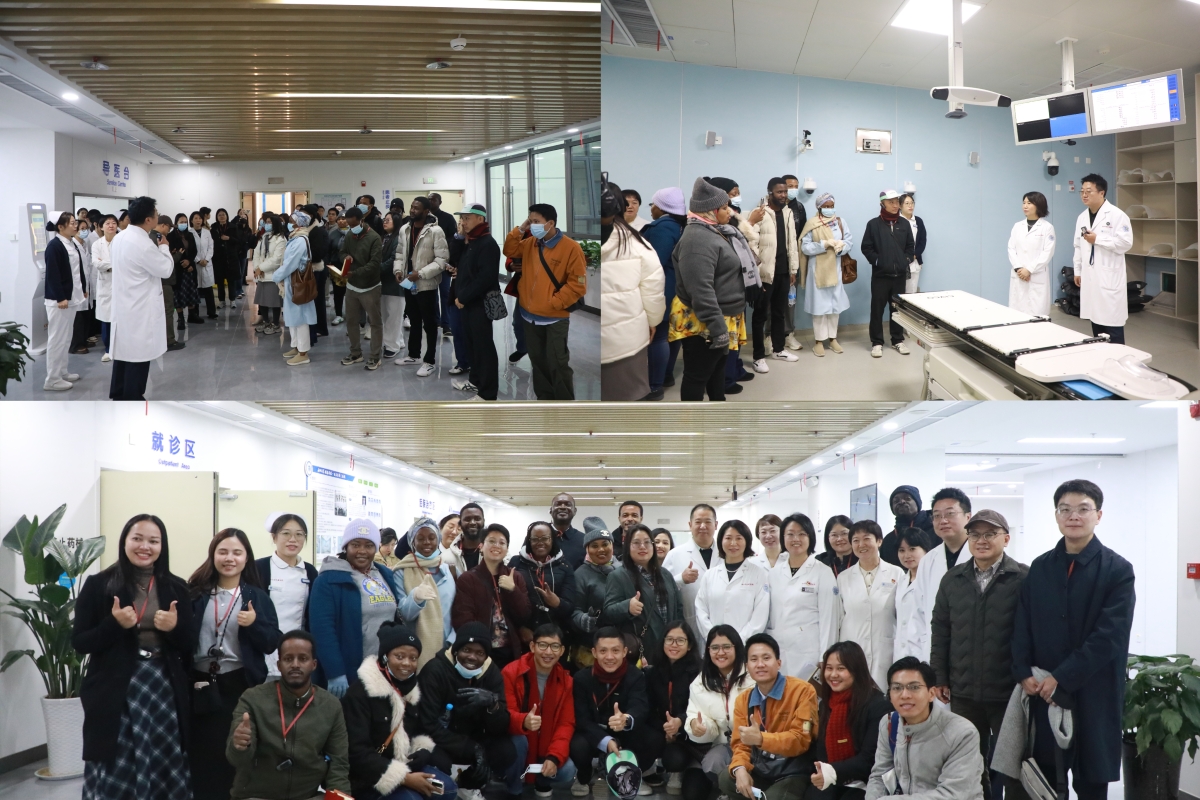
The delegation visited Nuclear Medicine and Radiology and took a group photo with the staff
To gain a multidimensional understanding of governance practices, the delegation visited Xi'an Jiaotong University to deepen their understanding of education's foundational role in national development. The field study also extended into the city's cultural heritage. A visit to the Daming Palace National Heritage Park illustrated how preservation teams adhere to the "Minimum Intervention" principle while utilizing modern technology to protect historical relics. The tour also highlighted the local government's residential relocation plan, which has helped surrounding residents transition from being "guardians" to "participants" in cultural tourism. When the delegation touched the bricks of the ancient city wall, examined stone carvings up close, and stood before the Terracotta Army - known as the "Eighth Wonder of the World", they vividly experienced the continuity and innovation of historical wisdom in contemporary governance. Through these engagements, the students gained a deeper understanding of the traditional context, contemporary practices, and governance innovations in China's political, economic, and social development—concepts explored in courses such as "History, Culture and Economic Development: World Experience and Chinese Characteristics" and "Nonprofit Management." These activities, spanning heritage preservation, urban planning, and social governance traditions, provided a rich historical and cultural framework for understanding China's modern governance system.
Comments from the students:
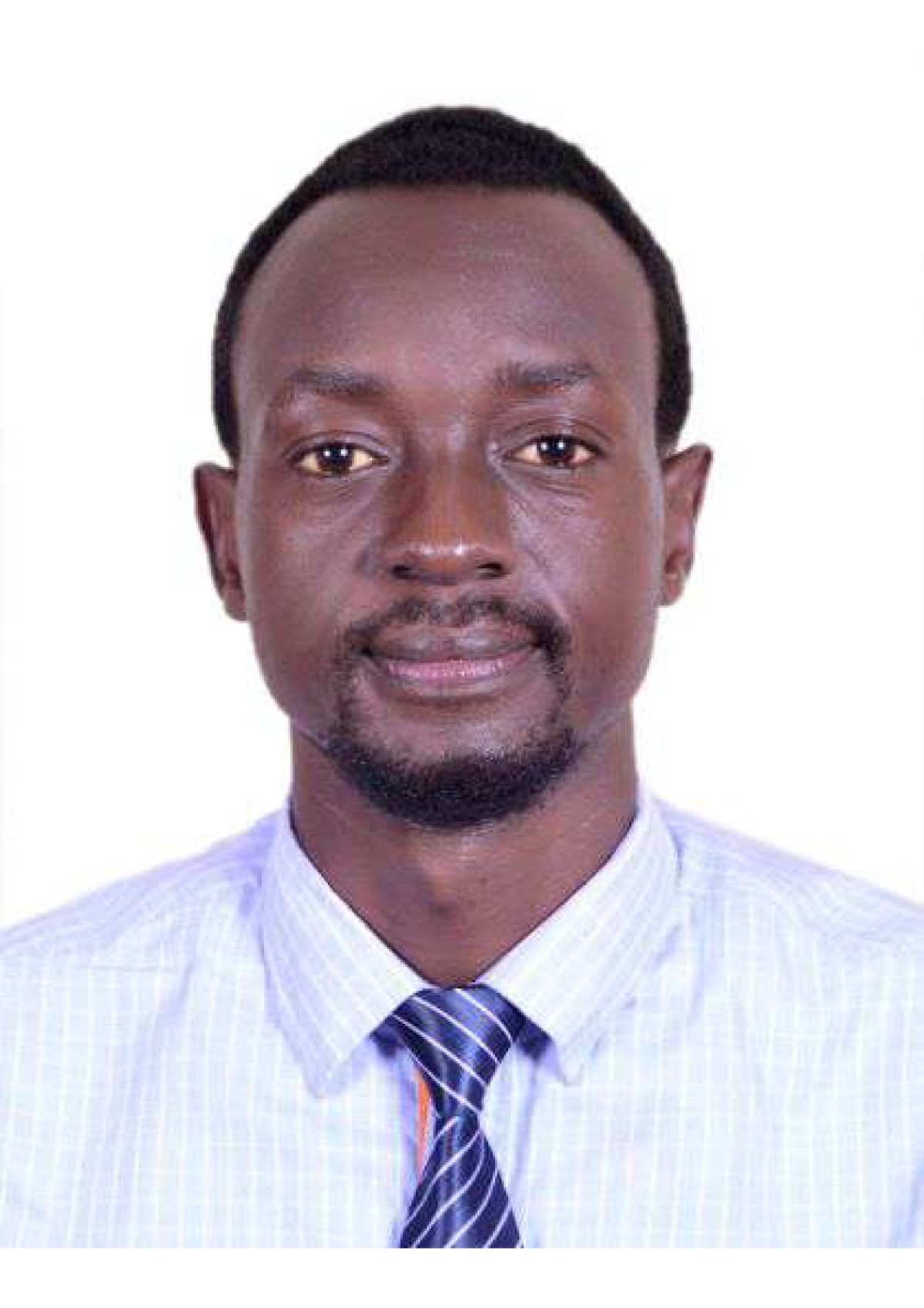
BIZIMUNGU JOSHUA (Uganda):
This trip really helped me understand that public administration isn't just about theory and frameworks – it's about real people making difficult decisions amid limited resources and multiple constraints. Every site we visited represented years of policy decisions, administrative work, and public investment. It gave me a much better sense of what I'm actually studying and what kind of work I might do after graduation.The Terracotta Army will definitely stay with me as the best part of the trip, not just because it was visually stunning, but because it showed me world-class public administration in heritage management. Despite the cold weather, this was a valuable experience that brought our classroom learning to life, and I'm grateful we had the opportunity to see Xi'an and learn from all these different sites.
SAI MYO NYUNT (Myanmar):
Beyond the ancient ruins, the trip provided a fascinating look at modern Xi'an. We explored how the city balances its rich history with contemporary needs through visits to a hospital, a university, and a community center in Weiyang. Each site offered a unique lesson: the community center revealed the spirit of local cooperation, the hospital impressed us with its modern technology, and Xi'an Jiaotong University showed us how education fuels the nation's growth. This contrast between the old and the new helped us better understand the practical application of 'Socialism with Chinese Characteristics,' proving that China's progress is deeply rooted in its cultural legacy.
SESAY RUGIATU (Sierra Leone):
In my opinion, China's policies about protecting its cultural heritage in preserving and conserving it have been so much beneficial in the daily lives of its citizens and foreigners. with these there is evidence to pass on the history from one generation to another. According to professor Na Chen, there are policies that prevent the cutting of certain trees which is very much in place because these trees can also serve as a protection or shield during some natural disasters like typhoon, erosion and the list continues. The trip covers all the courses so well.

GULED HUSSEIN KAHIN (Somalia):
It was an educational trip that I had never experienced before and it was amazing. What I saw was one of the oldest cities in terms of the administration of monarchies in the world. During the field trip, I was very impressed with the facility at Xi'an Third Hospital: the smart management system for high-value medical consumables cabinets. This system manages the entire hospital's medical supplies with an efficiency of approximately 500 boxes per hour. It is a city rich in civilization and heritage. I was captivated by its history, cuisine, community, city wall, and the ingenuity behind its construction.